|
|
|
Anniversaries - 2009
Guinness -
250th
Anniversary:
1759 - Arthur Guinness signed 9000-year
lease on disused brewery at St James's Gate in Dublin for
initial £100, annual rent of £45; decided soon after to brew
variation of porter stout popular in London);
1799 - concentrated
solely on production of porter;
1803 - Arthur Guinness II took over ownership,
management of Brewery; 1834
- Glass Tax repealed, GUINNESS® bottled in glass rather than
stoneware; 1850 -
Sir Benjamin Lee Guinness (grandson) took over Brewery;
1862 - introduced
GUINNESS® beer label (buff oval label with harp and Arthur
Guinness’s signature); 1868
- Edward Cecil (great grandson) took over; size of the Brewery
doubled; 1876 -
Harp registered as trademark; 1886
- first major brewery incorporated as public company on London
Stock Exchange; largest brewery in world;
1906 - 3,240 employees (one in 30
Dubliners depend on GUINNESS® brewery for their livelihood);
June 4, 1907 -
Arthur Guinness Son & Co. Limited registered Guinness
"Guinness's Extra Stout James's Gate Dublin Bottled By Arth
Guinness Son & Co. Limited" trademark first used March 29, 1862
(stout); 1914 -
produced almost 3 million barrels;
1931 - S.S. Guinness steamship launched, first
custom-built to transport GUINNESS® beer;
January 15, 1935 - registered "Guinness"
trademark first used January 1, 1764 (beer);
1963 - last wooden
keg racked at Brewery at St. James’s Gate; metal kegs used for
storing, shipping; 1976
- over 7 million glasses of GUINNESS® drunk daily;
2001 - almost 2
billion pints of GUINNESS® a year sold worldwide, over 1 million
pints of GUINNESS® a day sold in Great Britain alone.
 Arthur Guinness
(http://billcurtsingerphoto.com/ *Resources/*homeimages/Guinness
Page/guinness014.jpg)
Arthur Guinness
(http://billcurtsingerphoto.com/ *Resources/*homeimages/Guinness
Page/guinness014.jpg)
Presbyterian Ministers' Fund -
250th
Anniversary:
January 11, 1759
- Governors Thomas and Richard Penn granted charter to
Presbyterian Synod of Philadelphia, PA (founded 1716) for The
Corporation for Relief of Poor and Distressed Presbyterian
Ministers and of the Poor and Distressed Widows and Children of
Presbyterian Ministers (successor to charitable organization to
assist local Presbyterian ministers called "Fund for Pious Uses"
which made first charitable grant to widow of deceased reverend,
in 1719); evolved into Presbyterian Ministers and of the Poor
and Distressed Widows and Children; America's first life
insurance company; separate from but cooperated with Synodical
Company; 1760s -
had 43 contributors, had issued 21 policies to ministers;
May 22, 1761 -
wrote first life insurance policy in United
States;
May 1777
- board of company voted to loan 5000 pounds to Continental
Congress to help finance states’ efforts against British;
1850s - encouraged
subscriptions from ministers from any church under Presbyterian
umbrella (reformed churches); name changed to Presbyterian
Annuity Corporation; 1870
- corporation insured 126 of over 4,000 ministers;
1875 - name
changed to Presbyterian Annuity and Life Insurance Corporation
to offer insurance to all; 1880
- insurance restricted to ministers;
1888 - name changed to Presbyterian
Ministers' Fund)corporation had returned to practice of insuring
only Presbyterian ministers); 1941
- acquired Ministers Mutual Life Insurance Company;
1990 - renamed
Covenant Life Insurance Company; 1994 - acquired by Provident Mutual Life
Insurance Company; 2002
- acquired by Nationwide Mutual Insurance Company.
Hartford Financial
Services Group
-
200th
Anniversary:
May 10, 1810
- Connecticut General Assembly passed act to incorporate
Hartford Fire Insurance Company; Nathanial Terry first
president; 1822 - reinsured New Haven Fire
Insurance Company (one of first reinsurances in U.S.);
1825 - wrote fire insurance policy for Yale University
(first for institution of higher learning); 1859 -
sold insurance policy to Robert E. Lee to cover his home
("Arlington"); 1861 - sold fire insurance policy
to Abraham Lincoln to protect his home, property in Springfield,
IL; 1870 - operated coast-to-coast; 1875
- stag logo adopted (from Sir Edwin Landseer's painting,
"Monarch of the Glen"); 1906 - paid $11.6 million
in damage claims after San Francisco earthquake (most of any
insurance company involved); 1913 - formed
Hartford Accident & Indemnity Company; 1920 - sold
"sickness policy" to babe Ruth to protect his earnings in event
of his being unable to play; 1959 - expanded into
life insurance, acquired The Columbian National Life Insurance
Company; 1970 - acquired by ITT Corporation for
$1.4 billion (largest acquisition in corporate history at time);
renamed ITT-Hartford Group, Inc.; 1985 -
introduced first single premium variable life product;
1993 - introduced first variable universal life product
(leading seller of individual annuities in U. S.);
December 20, 1995 - spun off from ITT; 1997
- name changed to The Hartford Financial Services Group, Inc.;
2000 - fastest growing retail-oriented mutual fund
family to reach $10 billion in assets; 2005 -
Fortune 100 company.
Harrod's -
175th
Anniversary:
1834
- Charles Henry Harrod set up wholesale grocer in Stepney, in
London’s East End, special interest in tea; 1849 -
took over small shop in new district of Knightsbridge (on site
of current store) to escape filth of inner city, to capitalize
on trade to Great Exhibition of 1851 in nearby Hyde Park;
single room, two assistants, messenger boy; Charles Digby Harrod
(son) built business into thriving store, sold medicines,
perfumes, stationery, fruit and vegetables; 1880 -
expanded into adjoining buildings, employed 100 staff;
December 1883 - burnt to ground; fulfilled all Christmas
orders, made record profit; rebuilt; 1889 -
went public; 1894 - first sale or "Winter
Clearance"; 1898 - introduced world’s first
escalator (brandy at top to revive nervous customers), shortened
working hours for 200 staff, devised plan to build world’s most
luxurious department store; 1901 - building
construction began, designed by architect of Claridge’s Hotel
C.W. Stephens; 1959 - acquired by House of Fraser;
1967 - 'Way In' boutique opened, brought Carnaby
Street to Harrods; 1971 - black marble Perfumery
Hall opened; 1972 - white marble Cosmetics Hall
counterpart opened; March 11, 1985 - Mohamed Al
Fayed acquired House of Fraser Group for £615 million.
 Charles Digby Harrod
(http://www.spartacus.schoolnet.
co.uk/Bharrod.jpg)
Charles Digby Harrod
(http://www.spartacus.schoolnet.
co.uk/Bharrod.jpg)
Phelps Dodge
- 175th
Anniversary:
1834
- Anson Phelps, a one-time saddle maker, William Dodge (son-in-law),
a merchant in dry goods, founded Phelps Dodge as New York
City-based mercantile company; traded American products to
England in exchange for copper, iron, tin, other metals needed
in United States; 1881
- entered mining industry when it invested in share of Detroit
Copper Mining Co. in Morenci, AZ;
1906 - exited import-export business;
early 1900s - among
the first in industry converted to open-pit mining from
underground method; 1930s
- entered copper refining, manufacturing business;
January 17, 1933 -
registered "PD-Phelps Dodge-Copper Mining Products Corporation
Mine to Market" trademark first used Kuly 20, 1932 (seamless
brass and copper tubing); 1970s
- converted from trains to wheeled and tracked vehicles to haul
equipment and ore within open-pit mines;
mid-1980s - first to use solution
extraction and electrowinning to process ore on commercial
scale; March 19, 2007
- acquired by Freeport-McMoRan $25.9 billion in cash, stock;
created world's largest publicly traded copper mining company;
operates under name Freeport-McMoRan Copper & Gold Inc.
 Anson Greene
Phelps
(http://www.phelpsinc.com/family/resources/history/anson_g_phelps.jpg)
Anson Greene
Phelps
(http://www.phelpsinc.com/family/resources/history/anson_g_phelps.jpg)
 William Earl Dodge
(http://www.barnard.edu/archives/Memorial%20Scroll%20Website/1883Memorial_images/Dodge.jpg)
William Earl Dodge
(http://www.barnard.edu/archives/Memorial%20Scroll%20Website/1883Memorial_images/Dodge.jpg)
Phillips
Lytle LP - 175th
Anniversary:
1834
- Orsamus H. Marshall opened law practice in
Buffalo, NY; changed to Marshall & Harvey;
1862 - Lyman K. Bass
joined firm, renamed Harvey & Bass;
1872 - Wilson S. Bissell
joined firm, renamed Bass & Bissell;
1874 - Grover
Cleveland joined, renamed Bass, Cleveland & Bissell (Cleveland
left in 1881, became governor of New York);
1897 - Walter P. Cooke joined firm, renamed Bissell, Carey & Cooke;
1906 - Daniel J. Kenefick (former State Supreme Court Justice) joined practice,
created Kenefick, Cooke & Mitchell (James McCormick Mitchell);
1911 - Edward H. Letchworth (former Deputy Attorney General of
New York) joined Kenefick, Cooke, Mitchell & Bass;
1928 -
George F. Phillips joined firm;
1929 -
renamed Kenefick, Cooke, Mitchell, Bass & Letchworth;
1946 -
William E. Lytle joined firm;
1960 - renamed Phillips,
Mahoney, Lytle, Yorkey & Letchworth;
1970 - renamed Phillips, Lytle, Hitchcock, Blaine & Huber
(John F. Huber joined firm in 1967);
1978 -Jamestown, NY office (via merger);
1982 - Rochester, NY
office (via merger); opened office in New York City;
1994 - Fredonia, NY office
(via merger); 2003 - name changed to
Phillips Lytle LP; 2006 - Albany,
NY office via merger); 142-year relationship with Marine Midland Bank
(established 1850, now HSBC); farthest geographic reach of any
law firm in state of New York.
 Orsamus H. Marshall
- Phillips Lytle LP
(http://library.buffalo.edu/archives/img/marshall2.jpg)
Orsamus H. Marshall
- Phillips Lytle LP
(http://library.buffalo.edu/archives/img/marshall2.jpg)
Equitable Life Insurance
-
150th Anniversary:
July 26, 1859
- Henry B. Hyde (25), former cashier at Mutual Life Insurance
Company of New York, rented space in building located at
98 Broadway in Manhattan; hanged 30-foot banner from window,
incorporated The Equitable Life Assurance Society of
the United States; 1868
- introduced tontines (annuity products that pay deferred
dividends); dominated industry for 35 years (1867-1905);
1870 - first
American business to build its own corporate headquarters, put
its name on it (120 Broadway in Manhattan), first to
use steam elevators (office building as promotional tool,
workplace); 1880 -
pioneered practice of paying death claims immediately;
1890 - largest
insurance company in world (measured in surplus);
1902 - introduced
training classes for new insurance agents;
1909 - developed first modern Home
Purchase plan (major industry product for five decades);
1911 - sold first
modern Group Life policy to Pantasote Leather Company (to
Montgomery Ward in 1912); 1951
- developed Individual In-Hospital Major Medical Expense
insurance; 1961 -
opened 42-story home office building, largest building in
country occupied by single company;
1968 - introduced first line of
individual variable annuity products;
1985 - acquired Donaldson, Lufkin &
Jenrette, its money management arm, Alliance Capital Management,
L.P.; 1991 - New
York State Insurance Department certified policyholder approval
of demutualization; AXA Group, second largest French insurance
company, invested $1 billion; 1992
- completed New York's largest Initial Public Offering for
insurance company (AXA Group single largest shareholder); assets
under management exceeded $150 billion;
1995 - $230 billion in assets under
management; statutory capital/general accounts liabilities ratio
reached 11.86%, highest among America's top 10 life insurers;
1997 -AXA Group
assets exceeded $450 billion; merged with rival UAP, became
second largest insurer in world;
2000 - AXA acquired control of Equitable Life
Insurance Company; 2003
- AXA Group leading insurer in world, 50 million clients in 50
countries, $979 billion in client assets under management; 2004
- acquired Mutual of New York (MONY), former employer of
Equitable founder Henry Hyde; 2008
- 15th largest organization in world on 2008 Fortune Global 500
list (based on revenues); 2008
- 15th largest organization in world on 2008 Fortune Global 500
list (based on revenues). Hyde May
3, 1899 Obituary:
http://query.nytimes.com/mem/archive-free/pdf?_r=1&res=9B01E3D71030E333A25750C0A9639C94689ED7CF
Gardner
Denver -
150th Anniversary:
1859 -
Robert
Gardner provided first effective speed controls for steam
engines; Gardner Governor Company manufactured flyball
governors, led to production of steam pumps, high speed vertical
air compressors; 1900
- steam pump technology adapted for use in mud pumps (became
part of oil, natural gas well drilling process);
1927 - merged with
Denver Rock Drill Company, renamed Gardner-Denver;
1959 - acquired
CycloBlower Company (manufacturer of helical screw blowers);
1979 - acquired by
Cooper Industries; became Gardner Denver Industrial Machinery
Division; 1985-1988
- acquired Sutorbilt, DuroFlow blowers, OPI well servicing
pumps, Joy compressors; 1994
- spun off as independent company; 2004 - acquired Drum blowers, Emco Wheaton bulk storage and fluid transfer equipment;
2005 - acquired
Thomas Industries (Rietschle, Thomas brands, latest line of
precision-engineered blowers, pumps, compressors);
2009 - provides
compressed air and gas, vacuum and fluid transfer technologies
to industries throughout world.
.jpg) Robert Gardner
- Gardner Denver
(http://www.gardnerdenver.com/uploadedImages/GardnerDenver/Images/History-graphics(2).jpg)
Robert Gardner
- Gardner Denver
(http://www.gardnerdenver.com/uploadedImages/GardnerDenver/Images/History-graphics(2).jpg)
Oil
-
150th Anniversary:
August 27,
1859 - Edwin Drake (Seneca Oil Co.), William A.
"Uncle Billy" Smith, blacksmith and driller, using old steam
engine to power the drill, struck oil on leased land at 69 feet,
6 inches in Venango Oil Field near Titusville, PA;
noticed dark film floating on
water below derrick floor; started producing about 40
barrels of oil/day; world's first
successful oil well; beginning of American oil industry.
"Oil 150" is the official website of the 150th
anniversary celebration of the oil industry -
http://www.oil150.com/.
 Edwin Drake
- discovered first oil in US
(http://www.pbs.org/wgbh/theymadeamerica/whomade/images/who_drake_image.jpg)
Edwin Drake
- discovered first oil in US
(http://www.pbs.org/wgbh/theymadeamerica/whomade/images/who_drake_image.jpg)
Tate & Lyle -
150th Anniversary:
1859 - Henry
Tate (40), grocer in Liverpool, joined John Wright & Co, sugar
refinery, as partner; 1862
- set up his own refinery; joined by Alfred and Edwin (sons),
formed Henry Tate & Sons; 1872
- Love Lane Refinery (Liverpool) began operations; incorporated
new refining technique to increase yield of white sugar;
1875 - acquired
rights, in partnership with David Martineau, from German
inventor Eugen Langen, introduced sugar cube to UK;
1878 -- opened
refinery at Silvertown in East London;
1921 - merged with Abram Lyle & Sons,
formed Tate & Lyle PLC; 1963
- acquired United Molasses for £30 million, became world leader
in molasses trade; 1976
- acquired one-third stake in Amylum, established first major
interest in cereal sweetener, starch-based manufacturing;
1988 - acquired 90%
North American AE Staley Manufacturing Co. (2000 - acquired
balance); increased stake in Amylum to 63%;
1998 - acquired citric acid business of
Haarmann & Reimer (subsidiary of Bayer AG), became world's
leading producer of citric acid;
2006 - Lyle’s Golden Syrup tin design named
Guinness World Records as world’s oldest branding (packaging);
March 21 2006 -
annual sales of £3.7 billion, 7,000 employees in subsidiaries,
4,800 in joint ventures.
 Henry Tate
- Tate & Lyle
(http://www.spartacus.schoolnet.co.uk/
Btate.jpg)
Henry Tate
- Tate & Lyle
(http://www.spartacus.schoolnet.co.uk/
Btate.jpg)
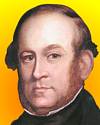 Abram Lyle - Tate & Lyle
(http://www.todayinsci.com/L/ Lyle_Abram/LyleAbramThm.jpg)
Abram Lyle - Tate & Lyle
(http://www.todayinsci.com/L/ Lyle_Abram/LyleAbramThm.jpg)
Bonbons
Barnier
-
125th
Anniversary:
1885 -
Brothers Pierre and Marius Barnier established artisan
confectionary company in Rouen, France; produced bonbons under
name of Bonbons Suisse;
1900 - acquired by Eugène
Callet, wholesaler in confectioner in Nantes, renamed Bonbons
Barnier; 1930 - first machines to wrap bonbons;
introduced filled candies; 1969 - 'mini bonbon'
created;
2007 - managed by fourth Callet
generation.
California Western Fish Company -
125th
Anniversary:
1885 - John
Baptist Caito and family started Western Fish Company in
Pittsburg, CA; processed salmon caught in in Sacramento River;
1906 - earthquake
destroyed production facility; formed California Western Fish
Company;
1975 - fourth-generation Caito Brothers
(Joe, Jim & John) took over operation; process millions of
pounds of crab, cod, snapper, salmon at five locations along
West Coast.
HLW International
-
125th
Anniversary:
1885
- Cyrus Lazelle Warner Eidlitz (son of noted architect, founder
of American Institute of Architects) opened architectural office
with commission, from Alexander Graham Bell, to design
Metropolitan Telephone Building on Cortlandt Street (New York
City), first telephone building in Manhattan;
1900 - formed
partnership with Andrew C. McKenzie (structural engineer),
established Eidlitz & McKenzie to pioneer new building design;
1905 - designed The
New York Times Building; 1910
- Eidlitz left firm, Stephen F. Voorhees, Paul Gmelin made
partners, firm reorganized, renamed as McKenzie, Voorhees &
Gmelin; 1926 -
Ralph T. Walker made partner, name changed to Voorhees, Gmelin
and Walker; 1939 -
received ten commissions for World's Fair;
1940 - Max H. Foley, Perry Coke Smith
made partners, formed Voorhees, Walker, Foley & Smith;
1955 - Foley left,
renamed Voorhees, Walker, Smith & Smith (Benjamin Lane Smith
made partner earlier); 1959
- Charles Haines, principal contributor to firm's design work
for research facilities, made partner; name changed to Voorhees,
Walker, Smith, Smith & Haines; 1964
- Robert Lundberg, Frank J. Waehler made partners, renamed
Smith, Smith Lundberg & Waehler;
1968 - renamed HLW (Haines, Lundberg Waehler;
Smiths retired).
Wilkin & Sons
-
125th
Anniversary:
1885
- Farmer Arthur Charles Wilkin, two friends formed Britannia
Fruit Preserving Company; made first batch of strawberry jam in
Tiptree, Essex, UK; 1901
- 8,000 customers; 1905
- renamed ‘Wilkin & Sons Limited’;
1911 - King George V awarded Royal Warrant;
1913 - Charles J.
Wilkin (son) became Chairman; 1920
- sales exceeded £100,000, over 200,000 customers;
1942 - T.G. Wilkin
appointed director, A. F. Wilkin appointed chairman;
September 30, 1952
- Wilkin & Sons Limited registered "Tiptree" trademark first
used 1904 (fruit conserves, Jams, Marmalades, preserved fruits,
fruit preserves, and vegetable preserves and honey and chutney);
1954 -
HM the Queen awarded Royal Warrant
for supply of Jam & Marmalade; 1971
- Peter Wilkin (great-grandson)
appointed director; 1980
- sales exceeded £5million, exports to over 50 countries;
2009 - more than
200 full-time staff.
 Charles Wilkin -
Wilkin & Son (http://tiptreegardenclub.com/images/wilkin.jpg)
Charles Wilkin -
Wilkin & Son (http://tiptreegardenclub.com/images/wilkin.jpg)
Louisville Slugger
-
125th
Anniversary:
1884 - John ‘‘Bud’’ Hillerich (family
opened woodworking shop in Louisville, KY in 1855) began making
baseball bats (either for local legend Pete Browning,
the "Louisville Slugger", of Louisville
Eclipse baseball team of American Association) or for Arlie
Latham of St. Louis Browns in 1883; believed to be company's
first baseball bat for professional player; became world-famous
"Louisville Slugger" baseball bat, changed face of baseball;
1897 - name changed
to J.F. Hillerich & Son; 1905
- Honus Wagner (Pittsburgh Pirates) signed deal with company to
use his autograph on Louisville Slugger bats; first baseball
player to officially endorse a bat;
1916 - Frank Bradsby, salesman, became
partner, name changed to Hillerich and Bradsby;
July 9, 1940 -
registered "Louisville Slugger" trademark first used October 10,
1938 (advertising novelties-namely, pens, pencils, and the like
in the form of miniature baseball bats);
2007 - contracts with 60%-70% of MLB
players (35-40% of market for aluminum bats).
Marks & Spencer
-
125th Anniversary:
1884
-
Michael Marks opened stall at Leeds Kirkgate Market;
1894 - 12
locations; formed partnership with Thomas Spencer, former
cashier from wholesale company Isaac J. Dewhirst; invested £300;
1903 - Marks and
Spencer Ltd registered as firm with capital of 30,000 £1 shares
(split equally between two founders);
July 1905 - Spencer died;
October 1907 -
Simon Marks (son) joined company; William Chapman, executor of
Spencer estate, named Chairman;
February 1914 - bought London Penny Bazaar
Company; 1915 -
Israel Sieff, very close friend of Simon Marks, elected to Board
of Directors; 1916
- Simon Marks (28) became Chairman;
1926 - started buying goods directly
from manufacturers; November 1930
- flagship store opened at Marble Arch, London (located in
basement, ground floor of newly erected office block);
1931 - introduced
food department, sold produce and canned goods;
1934 - established
Scientific Research Lab to pre-test garments, research
innovative new fabrics; first research lab of any British
retailer; 1935 -
opened first Cafe Bar in Leeds (82 café bars by 1942; gradually
phased out in 1950s); Marcus Sieff (son) joined company;
1939 - 234 stores;
1948 - established
Food Technology department; 1956
- all goods sold under St Michael label;
1959 - first retailer to introduce No
Smoking rules in stores; 1964
- Israel Sieff became Chairman;
1970 - ‘Sell By Dates’ introduced;
1972 - Marcus Sieff
became Chairman; 1975
- opened store on Boulevard Haussman in Paris, first in Europe
(closed in 2001); 1985
- Christmas Hampers tested for first time in 30 stores;
1988 - acquired
Brook Brothers, American clothing company (sold in 2002), Kings
Supermarkets, American food chain (sold in 2006);
May 17, 2004 -
Phillip Green (Revival Acquisitions Limited) launched takeover
attempt; May 31, 2004
- Stuart Rose appointed Chief Executive; pushed business forward
with focus on quality, value, service, innovation, trust (named
Chairman in June 2008).
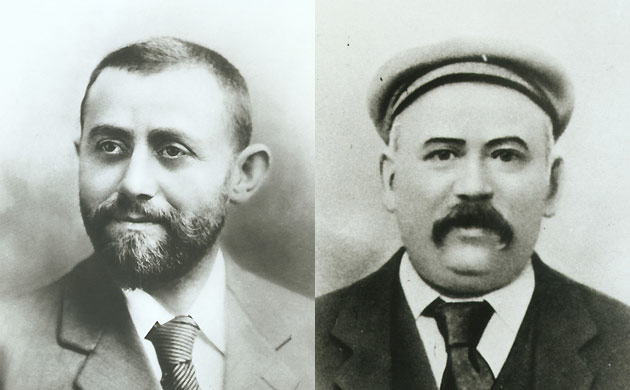 Michael Marks, Thomas Spencer
- Marks & Spencer
(http://static.guim.co.uk/Guardian/business/gallery/2008/jul/09/marksandspencer.history/marks-8229.jpg)
Michael Marks, Thomas Spencer
- Marks & Spencer
(http://static.guim.co.uk/Guardian/business/gallery/2008/jul/09/marksandspencer.history/marks-8229.jpg)
McGraw-Hill
-
125th Anniversary:
1884 - James
H. McGraw, a teacher in upstate New York, began working in
publishing; 1888 -
purchased the American Journal of Railway Appliances; John A.
Hill worked as an editor at Locomotive Engineer;
1899 - McGraw
incorporated publications under "The McGraw Publishing Company";
1902 - John Hill
incorporated publications under "The Hill Publishing Company";
1909 - book
departments of the two publishing companies merged; formed
McGraw-Hill Book Company; John Hill took office of President
(died in 1916); James McGraw became company's Vice-President.

James H. McGraw
(http://www.mcgraw-hill.com/aboutus/images/history_jmcgraw.jpg)

John A. Hill (http://www.mcgraw-hill.com/aboutus/images/history_jhill.jpg)
Oxford English
Dictionary -
125th Anniversary:
February 1, 1884
- The first volume (A-Ant) of the Oxford English Dictionary was
published (conceived in 1858 as project of Philological Society
of England); April 1928
- 125th, final fascicle published; 400,000 words and phrases in
10 volumes, published under title A New English Dictionary on
Historical Principles; verb "set" is OED's longest entry
(approximately 60,000 words, over 430 uses);
1933 - supplement,
containing new entries and revisions, published; original
dictionary reprinted in 12 volumes, officially renamed the
Oxford English Dictionary.
 Sir
James A. H. Murray - Primary Editor, Oxford
English Dictionary
(http://www.columbia.edu/cu/record/archives/vol22/vol22_iss2/murray2.gif)
Sir
James A. H. Murray - Primary Editor, Oxford
English Dictionary
(http://www.columbia.edu/cu/record/archives/vol22/vol22_iss2/murray2.gif)
Playbill
-
125th Anniversary:
1884 - Frank
V. Strauss, Ohio advertising man, began Frank V. Strauss
& Co. as advertising business in New York; started "The
New York Dramatic Chronicle" as one-page flyer to
combine advertising with theater programs;
September 1885
- earliest Strauss program listing found for production
at Madison Square Theater;
1888 - opened press on Walker Street;
1903 - provided programs for 250
theaters; 1911
- renamed Strauss Magazine Theatre Program, multi-page
program in magazine format;
1934 - name changed to
"Playbill"; 1974
- acquired by Arthur T. Birsh;
December 19, 1978 - American
Theater Press, Inc. registered "Playbill" trademark
first used July 6, 1934 (entertainment magazines,
fashion magazines, theater guides and luncheon
programs); oldest, most unusual throwaway
publication in U.S.
D. Zelinsky & Sons -
125th Anniversary:
1884
- Immigrant David Zelinsky established first office in
Oakland, CA; shortly moved offices to San Francisco;
established D. Zelinsky & Sons, Inc.; became one of
largest painting contractors in United States; played
major role in painting, decorating many of major
construction projects in San Francisco Bay Area; grew
into multi-million dollar corporation with major
commercial contracts in painting, custom window
covering; portfolio of diverse projects (hotels,
department stores, high-rises, condominiums, medical
facilities, industrial complexes, government and
educational buildings).
A.L.F.A.
-
100th
Anniversary: 1910
- "Anonima Lombarda Fabbrica Automobili", A.L.F.A.,
founded, under direction of Cavalier Ugo Stella.
Black &
Decker -
100th
Anniversary:
1910 - S. Duncan Black, Alonzo
G. Decker established small machine shop in Baltimore,
MD; November 6, 1917
- received a patent for an "Electrically-Driven Tool";
hand-held drill combined pistol grip, trigger switch;
assigned to The Black & Decker Manufacturing Company;
1936 - went
public; 1946
- introduced Home Utility line of drills, accessories;
1956 -
Robert D. Black (brother) named chairman of board,
president; 1960
- Alonzo G. Decker, Jr. succeeded as chairman, chief
executive officer; acquired DeWalt, Inc. of Lancaster,
PA; 1975 -
first non-family member headed company;
June 26, 1984
- registered "Dustbuster" trademark first used November
1978 (Hand-Held Household Vacuum Cleaners and
Replacement Filter Bags and Nozzles Used Therewith);
introduced household appliances;
1985 - name changed to The Black
& Decker Corporation; 1989
- acquired Emhart Corporation, ($2.8 billion in
revenue), nearly doubled company's size;
November 2, 2009
- acquired by Stanley Works (founded 1843, 2008 sales of
$4.5 billion) for $4.5 billion, renamed Stanley Black &
Decker.
 (http://www.blackanddecker.de/images/black.jpg)
 (http://www.blackanddecker.de/
images/decker.jpg)
(http://www.blackanddecker.de/
images/decker.jpg)
Champion
Spark Plug -
100th
Anniversary:
July 2,
1910 -
Robert A. Stranahan (former
manager of Albert Champion Company in
Boston, MA in 1909) -
spark plug
production less than 50,000; [Albert Champion left company in
late 1908, moved to Flint, MI, started Champion Ignition
Company, later renamed A-C Spark Plugs]),
Frank D. Stranahan
(former treasurer of Albert Champion Company)
incorporated Champion Spark Plug Company ($22,000 in debt) in
Toledo, OH (in
accordance with manufacturing contract with Willys-Overland
Company - second largest producer of automobiles in United
States, behind Ford Motor Company, from 1912-1918);
July 18, 1911 - James D. Robertson, of
Toledo, OH, received a patent for a "Terminal Clamp";
assigned to Champion Spark Plug Company; company's first patent;
1912 - supplied reliable spark
plugs for 75% of American cars;
August 12, 1913 - registered "Champion" trademark
first used in April 1907 (spark plugs);
1964 - sales of $124 million; 1989 - acquired
for $600 million by Dana Corporation.

Robert A. Stranahan
- Champion Spark Plug
(http://automotivehalloffame.org/honors/show_image.php?img=1&id=188)
Cities
Service -
100th
Anniversary:
1910
- Henry L. Dougherty created Cities Service Company to supply
gas, electricity to small public utilities; 1931 -
billion dollar corporation with 25,000 employees; 1940
- Cities Service erected landmark sign in Kenmore Square in
Boston (replaced with CITGO sign in 1965);
September 4, 1956 -
Cities Service Oil Company registered "Cities Service" trademark
first used in May 1921;
May
16, 1965 - introduced name CITGO;
October 26, 1965 -
registered "Citgo" trademark first used February 4, 1965
(gasoline);
1982
- acquired by Occidental Petroleum; August 1983 -
acquired by The Southland Corporation to assure supply of
gasoline to Southland's 7-Eleven convenience store chain;
September 1986 - 50 percent interest acquired by
Petróleos de Venezuela, S.A. (PDVSA), national oil company of
Bolivarian Republic of Venezuela; January 1990 -
remaining half acquired (total purchase price of $951 million).
Macy's
Trademark -
100th
Anniversary:
June 7, 1910 - R. H. Macy & Co. registered "Macy's
trademark first used in 1858 (men's [youths' and boys'] coats,
vests, trousers and overcoats, ladies' [misses' and
children's] coats, cloaks, raincoats, inner and outer suits,
outer skirts and trimmed hats, etc.);
H. L. Gross & Bro.
Jewelers
-
100th
Anniversary: 1910
- H. L. Gross, two sons (15, 19) opened H.L .Gross & Bro.
Jewelers in Brooklyn, New York (six blocks from jewelry store
owned by their uncle); 1914
- sons took over; displayed jewelry on board supported by two
sugar barrels; mid-1920s
- opened store in Jamaica, Queens; shortly thereafter moved to
Hempstead, Long Island; 1969
- Howard Gross (grandson), wife Helene opened store in Garden
City; 1971 -
Michael Gross (great grandson ) joined business, fourth
generation; 2001 -
Brad Gross (great great grandson) entered; fifth generation.
Conde
Nast
Publications -
100th
Anniversary: 1909
- Conde Montrose Nast, successful advertising executive for
Collier's, acquired society-focused bi-weekly, Vogue
(founded1892, circulation of 14,000, advertising revenues of
$100,000); formed Vogue Company;
1913 - acquired House and Garden;
1914 - introduced
Vanity Fair; introduced concept of "class publications",
targeted groups of readers by income level or common interest
vs. focusing on circulation numbers;
1920s - established Conde Nast
Publications; July 1932
- became one of first magazines to publish cover with color
photograph; 1959 -
controlling interest acquired by S.I. Newhouse; part of holding
company Advance Publications; 1974
- first cover featuring African-American model.
Drake
Relays -
100th
Anniversary:
April 13, 1910
- 82 athletes (from four local colleges, three high schools),
100 spectators attended first "Drake Relay Carnival" at Drake
University (Iowa's largest private university) in blizzard
on dirt track on outskirts of fledgling Des Moines (proposed by
John L. Griffith, Director of Athletics at Drake University);
1911 - hosted
dinner for visiting coaches, officials to build relationships,
exchange ideas; 500 spectators watched more than 250 athletes
compete in second Relay; 1915
- recognized as third-largest track and field event in world;
1922 - expanded to
2-day meet (700 athletes, 10,000 spectators);
first track and
field meet to be broadcast live on radio;
1923 - moved to
last week in April to compete with Penn Relays;
1936 - attendance
reached 20,000; 1961
- women's competition introduced;
1969 - Tartan track installed;
1976 - oval
converted to 400 meters (from 440 meters), all timing became
electronic;
one of largest, most
important track meets in United States (more than 600,000
athletes have competed over 99 years; every Saturday session
sold out since 1966; estimated 2.3 million spectators since
1910)
Fletcher
Construction -
100th
Anniversary:
June 1, 1909
- James Fletcher, Scotsman, Albert Morris, Englishman, who had
formed Fletcher and Morris, small housing-building and jobbing
partnership in Dunedin, New Zealand, awarded first contract to
build villa for J. M. Cameron; 1912
- Morris left; William Fletcher (brother) joined business
(followed by Andrew, John), renamed Fletcher Brothers;
November 4,
1919 - registered
The Fletcher Construction Company Limited as limited liability
company with capital of £50,000;
1937 - James (J.
C.) Fletcher (son) joined company (named Managing Director in
1942); 1940
- formed Fletcher Holdings as public company;
1945 - third of
company acquired by Colonial Sugar Refining Co Ltd (Australia)
for £250,000; 1951
- joint venture with two American companies, first of its kind
in New Zealand; 1952
- with Government, formed the Tasman Pulp & Paper Co. Ltd. to
use pulp from radiata pine for kraft papermaking in the central
North Island;
1953 - largest construction project
undertaken at time in New Zealand (houses of Kawerau township);
1954 - formed
seven subsidiaries (timber, construction, steel, sales and
service, trust company, industry, plant hire);
1955 - acquired
Kauri Timber Co Ltd., became New Zealand's biggest timber
processor; annual sales exceeded £13.2 million;
1965 - generated
£1,000,000 profit; late 1970s
- shopping mall development, construction and property sector;
increasing focus on construction management, design and build;
company acted as a developer in its own right;
1981 - formed
Fletcher Challenge Ltd (merger of Fletcher Challenge, Tasman
Pulp and Paper Co. Ltd, Challenge Corporation), New Zealand's
largest public company;
December 1999 -
reorganized, broken into three companies: Fletcher Building
(Fletcher Construction; operating revenue of $2.38 billion in
2000), Fletcher Challenge Forests (now named Tenon), Rubicon
(New Zealand) to commercialize emerging technologies;
2002 - building
backlog of $400 million; one New
Zealand's best-performing listed companies, 12,000 employees
worldwide, dominated domestic building industry; pre-eminent general contractor in New
Zealand, South Pacific.
 James Fletcher (sitting, 3rd from left) - Fletcher Construction
(http://www.fletchersince1909.com/timeline/images/1910_image_03.jpg)
James Fletcher (sitting, 3rd from left) - Fletcher Construction
(http://www.fletchersince1909.com/timeline/images/1910_image_03.jpg)
Ford Trademark -
100th
Anniversary: July 20,
1909 - Ford Motor Company registered "Ford"
trademark first used February 15, 1895 (automobiles and their
parts).
Goodyear Aviation
-
100th
Anniversary:
1909
- Goodyear Aviation introduced Goodyear Wing Aeroplane Tire,
first tire built for aviation use (lightweight, puncture
resistant, easy to remove); 1927
- introduced first re-treadable aircraft tire; opened era of
lower cost operation (still vital part of aviation industry);
1928 - introduced
Goodyear Airwheel, first low pressure aviation tire, virtually
eliminated need for wheel (mounted directly to hub);
1939 - The
Goodyear Aircraft Company incorporated; entered other areas of
aeronautics (wheels, brakes, fuselages, other critical
components for military aircraft); developed first successful
autopilot for helicopters (Korean War); produced successful
Corsair aircraft; 2009
- world's largest supplier of aviation tires for commercial,
military, general aviation aircraft.
Howard Theater
-
100th
Anniversary: August
22, 1910 - National Amusement Company opened
Howard Theatre in primarily African-American area of Washington,
near Howard University (sat 1,200);
mid-1920s - acquired by Abe Lichtman,
white owner of theaters that catered to African-Americans;
billed as "largest colored theater in the World"; featured
vaudeville, live theater, musicals, local talent shows;
1929 - closed
during Depression; 1931
- reopened by Shep Allen, theater manager from Atlantic City, as
movie house, live entertainment venue (Duke Ellington played on
reopening night); 1941
- underwent massive remodeling, in Streamline style;
1970 - closed,
shuttered; 1973
- Howard Theater Foundation formed, raised funds were to
refurbish aging theater; April 1975
- reopened (Red Foxx, Melba Moore);
1970s-early 1980 - used sporadically as
venue for live entertainment; 2007
- Ellis Development Group, Four Points, LLC. formed Howard
Theatre Restoration, Inc. to raise $10-14 million (of $25
million project) to restore Theatre for 100th Anniversary (after
$8 million D.C. grants, $6 million of tax credits).
MG -
100th
Anniversary:
1910 - William Morris, bicycle
manufacturer, founded Morris Motor Company (MMC); 1913
- opened factory Cowley, Oxford, UK; produced first cars,
two-seater Oxford model; 1920s - Oxford, Cowley
models became best selling cars in UK; 1924 -
overtook Ford, became UK's biggest car manufacturer, held a 51%
share of home market; 1927 - acquired Wolseley
Motor Company, 1929 - Morris Minor introduced to
compete with Austin Seven; powered by an 847cc OHC engine;
1935 - launched popular 918cc Morris Eight (more than
250,000 sold); 1938 - William Morris became
Viscount Nuffield; merged MCC and MG with newly acquired Riley,
formed Nuffield Organisation; 1948 - Morris Minor
re-engineered; first BMC car to sell more than a million;
1952 - Nuffield Organisation (Morris, MG, Riley,
Wolseley) merged with rival Austin Motor Company, formed British
Motor Corporation (BMC); Austin's Leonard Lord in charge,
dominated organization; 1960s - employed
250,000 people, Longbridge factory one of biggest in world;
April 8, 2005 - collapsed under debts of $1.7
billion, loss of more than 5,000 jobs; July 22, 2005
- MG Rover Group acquired by Nanjing Automobile for $97 million;
March 27, 2007 - revived MG brand, began
production of MG sports cars.
 William Morris -
MG
(http://www.nuffieldfoundation.org/imageLibrary/jpeg150/94.jpg)
William Morris -
MG
(http://www.nuffieldfoundation.org/imageLibrary/jpeg150/94.jpg)
Kerotest -
100th
Anniversary:
1909
- Edward George Mueller, one of earliest pioneers in commercial
oxygen business, organized Pittsburgh Reinforced Brazing &
Machine Company (treasurer until 1920, named president);
1914 - developed
valves for high pressure compressed gases;
1917 - introduced first American
manufactured cast steel gate valve for oil industry;
1921 - introduced
testing of high-pressure valves with Kerosene, became industry
standard; 1927 -
name changed to "Kerotest Manufacturing Company" ("Kerosene
Tested"); 1963 - entered gas distribution industry with "Model 1
(first steel gate valve designed specifically for natural gas
service); 1971 -
introduced first Packless Metal-Diaphragm valve for nuclear
service, became leading valve supplier to over 100 nuclear power
plants worldwide; 1983
- created ESOP, became "employee owned company";
1999 - honored as
"Pennsylvania ESOP Company of the Year" by ESOP Association at
ceremony in Washington DC; 2009
- leading supplier of valves and related equipment for worldwide
energy markets, including natural gas distribution, oil & gas
drilling, nuclear fuel.
 Edward George
Mueller - Kerotest
(http://www.kerotest100.com/images/overview-01.jpg)
Edward George
Mueller - Kerotest
(http://www.kerotest100.com/images/overview-01.jpg)
Lonrho plc
-
100th
Anniversary:
May 13, 1909/strong>
- London and Rhodesian Mining Company Limited incorporated (Lonrho
plc); 1961 - Roland
"Tiny" Rowland joined company; sales (over 34 years) increased
787-fold, profits rose 1,365 times;
January 1993 - Dieter Bock, German
financier, became largest shareholder; shared chief executive's
position with Rowland; October 1993
- forced to step down as Chairman;
November 3, 1994
- Rowland ousted from chief executive position;
January 1997 -
Anglo American Corporation of South Africa Ltd., South Africa's
largest company, acquired 26% controlling interest in Lonrho;
changed focus to mining (platinum, gold, coal) in Africa;
1997 - Bock gone;
1999 - renamed
Lonmin plc to symbolize return to mining roots.
 Roland
"Tiny" Rowland - Lonrho
(http://news.bbc.co.uk/olmedia/135000/images/_139540_rowland300.jpg) Roland
"Tiny" Rowland - Lonrho
(http://news.bbc.co.uk/olmedia/135000/images/_139540_rowland300.jpg)
Martin
Marietta -
100th
Anniversary:
1909
- Aviation pioneer Glenn L. Martin launched maiden voyage of
first aeroplane, made of silk and bamboo, in Santa Ana, CA.;
June 16, 1909 -
sold first commercial U.S. airplane, for $5,000;
1912 - incorporated
Glenn L. Martin Company in Los Angeles, CA;
1914 - delivered first Model TT Trainer
planes to U.S. Army Signal Corps.;
1916 - merged with Wright Company, formed
Wright-Martin Aircraft Company;
1917 - backed by group of Ohio investors, Glenn
Martin left Wright-Martin Company, reestablished Glenn L. Martin
Company in Ohio; 1926 - incorporated in Maryland, opened
aircraft manufacturing plant in Middle River, near Baltimore
(still in operation); first airplane built is XT5M-1 bomber;
1961 - merged with
American-Marietta Company, renamed Martin Marietta;
March 15, 1995 -
Lockheed Corporation, Martin Marietta Corporation merger
completed.
 Glenn L. Martin
(http://www.centennialofflight.gov/
essay/ Aerospace/Martin/Aero12G13.jpg)
Glenn L. Martin
(http://www.centennialofflight.gov/
essay/ Aerospace/Martin/Aero12G13.jpg)
Montreal
Canadiens -
100th
Anniversary:
December 4, 1909
- J. Ambrose O'Brien, sportsman from Ottawa, owner of Renfrew
Creamery Kings, founded Club de Hockey Le Canadien, with
financial support from another magnate, T.C. Hare (provided
$1,000 required for league entry, $5,000 to guarantee players'
salaries); played; January 5, 1910
- played first game in newly formed National Hockey Association
(had been rejected for membership in Canadian Hockey
Association), beat Cobalt Silver Kings 7-6 in overtime before
3,000 spectators at Jubilee Rink (nullified when NHA absorbed
CHA teams, created new schedule);
February 7, 1910 - first official win against
Haileybury Hockey Club; finished season with 2-10 record;
November 2, 1910 -
acquired by George W. Kendall (Kennedy), owner of "Club
Athletique Canadien" (founded 1905); claimed rights to 'Canadien'
name, paid $7500 for team; sweaters changed from blue to red
during improved 8-8 season (finished 2nd in NHA);
1914 - first
winning season, finished 2nd (13-7 record);
1916 - defeated Portland Rosebuds
(PCHA) for first Stanley Cup victory (3-2); players received
$238 for winning cup; 1917
- jerseys changed (H, for Habitants, replaced A); became one of
most familiar insignias in world of sport;
1918 - owners of NHA teams formed new
league (National Hockey League);
1922 - acquired by Leo Dandurand, Jos
Cattarinich, Louis A Letourneau for $11,500;
1924 - first game
ever at Montreal Forum, Habs beat Toronto St. Patricks 7-1;
1945 - Maurice
Richard became first player to score 50 goals in single 50-game
season; 1952 -
Jacques Plante made NHL debut; 1953
- Jean Beliveau played first full season;
1956 - first 100-point season;
1957 - acquired by
Tom, Hartland Molson (Molson Brreweries);
November 1, 1959 - Plante became first
goalie to wear facemask in NHL game;
1971 - Guy LaFleur became instant fan
favorite in rookie season; 1975
- won newly established Norris Division;
1977 - Steve Shutt scored 60 goals,
record for Left Wingers; Guy LaFleur won Hart Trophy (amassed
1936 points, new franchise record);
1981 - Canadiens shifted to Adams
Division; 1984 -
first losing season in 33 years;
1985 - Goalie Patrick Roy (20) played first full
season; 1986 - won
23rd Stanley Cup, professional team sports record for most
championships; 1992
- 100th Anniversary of dedication of Stanley Cup;
June 2001 - 80.1%
interest acquired by George N. Gillett, Jr. for $275 million
(Canadian) plus right of first refusal upon team resale;
2004 - Season
Cancelled Due to Lock Out.
 J. Ambrose O'Brien
- Montreal Canadiens
(http://assets.sbnation.com/imported_assets/52037/obrien_ambrose_large.jpg)
J. Ambrose O'Brien
- Montreal Canadiens
(http://assets.sbnation.com/imported_assets/52037/obrien_ambrose_large.jpg)
NAACP
-
100th
Anniversary: February
12, 1909 - Ida Wells-Barnett, W.E.B. DuBois,
Henry Moscowitz, Mary White Ovington, Oswald Garrison Villiard,
William English Walling, multiracial group of activists, founded
National Negro Committee in New York City;
1918 - President Woodrow Wilson finally
made public statement against lynching;
1930 - first successful protests against
Supreme Court justice nominees launched against John Parker
(officially favored laws that discriminated against African
Americans); 1935 -
NAACP lawyers Charles Houston, Thurgood Marshall won legal
battle to admit black student to University of Maryland;
1946 - won Morgan
vs. Virginia case (Supreme Court banned states from having laws
that sanction segregated facilities in interstate travel by
train and bus); 1948
-pressured President Harry Truman to sign Executive Order
banning discrimination by Federal government;
1954 - under
leadership of Special Counsel Thurgood Marshall, won one of
greatest legal victories in Brown vs. the Board of Education;
1955 - Rosa Parks
arrested, fined for refusing to give up her seat on segregated
bus in Montgomery, AL; catalyst for largest grassroots civil
rights movement (collective efforts of NAACP, SCLC other Black
organizations); 1963
- NAACP's first Field Director, Medgar Evers assassinated in
front of his house in Jackson, MS;
1964 - Congress passed Civil Rights Act;
1965 - Voting
Rights Act passed; 1981
- established Fair Share Program with major corporations across
country (70 by 1992); 2000
- largest Black voter turnout in 20 years;
January 17, 2000 - march in Columbia,
SC, attended by over 50,000, protested flying of Confederate
Battle Flag; largest civil rights demonstration ever held in
South to date.
L'Oreal -
100th
Anniversary:
1909 - Eugène
Schueller, French chemist, registered company as L'Oreal (liked
sound of name), "Société Française de Teintures Inoffensives
pour Cheveux" ("Safe Hair Dye Company of France"; had developed
innovative hair-color formula in 1907, called Auréole);
formulated, manufactured his own products, sold to Parisian
hairdressers; 1936
- invented first sunscreen; April
3, 1951 - registered "L'Oreal" trademark in U.
S. (rouge, face cream, hair lotion, hand cream, eye shadow, face
lotion, perfume, cologne, nail polish, suntan oil and face
powder); March 17, 2006
- agreed to pay £652 million to acquire ethical cosmetics
company, The Body Shop.
 Eugene Schueller - L'Oreal
(http://image.evene.fr/img/celeb/2906.jpg)
Eugene Schueller - L'Oreal
(http://image.evene.fr/img/celeb/2906.jpg)
Plastics -
100th
Anniversary:
September 14, 1909 - Leo H. Baekeland, of
Yonkers, NY, registered "Bakelite" trademark first used June 30,
1907 (condensation products of phenol and formaldehyde);
December 7, 1909 - received patent for for a "Method of
Making Insoluble products of Phenol and Formaldehyde"
("production of hard, insoluble and infusible condensation
products of phenols and formaldehyde"); received two patents for
"Condensation Product and Method of Making Same" ("some
industrial applications in the manufacture of varnishes,
resinous products and plastic compounds"); thermosetting
artificial plastic; called Bakelite (nonflammable material that
was cheaper , more versatile than other known plastics),
commonly referred to as the "heat and pressure" patent); gave
birth to modern plastics industry; 1910 -
founded General Bakelite Corporation, later Bakelite Company;
1939 - merged with Union Carbide Corporation.
 Leo H. Baekeland
(1907 -
transformed phenol and formaldehyde into a moldable
substance called "Bakelite" - "the material of a
thousand uses" (i. e plastic) (http://img.timeinc.net/time/
magazine/archive/ covers/1924/1101240922_400.jpg)
Leo H. Baekeland
(1907 -
transformed phenol and formaldehyde into a moldable
substance called "Bakelite" - "the material of a
thousand uses" (i. e plastic) (http://img.timeinc.net/time/
magazine/archive/ covers/1924/1101240922_400.jpg)
Rizzoli
-
100th
Anniversary:
1909
- Angelo Rizzoli founded A. Rizzoli & Compagnia printing and
publishing house in Milan. Italy;
1927 - entered publishing; acquired four Italian
magazines: Novella, Il Secolo Illustrato, La Donna and Commedia;
1929 - entered book
publishing; began publication of Italy's most monumental
editorial project, Treccani Encyclopaedia;
October 1984 - acquired by Generale
Mobiliare Interessenze Azionarie (Gemina S.p.A.) investment
group, unit of Fiat; June 18, 1992
- Gemina raised stake in its Rizzoli Corriere della Sera Editori
subsidiary to 88% (acquired 8.11% stake from Hachette for $74.2
million); 1997 -
spun off within Holding di Partecipazioni Industriali (Hdp) in
which Agnelli interests have controlling stake;
2003 - name changed
to Rizzoli Corriere della Sera MediaGroup SpA (RCS Media Group).
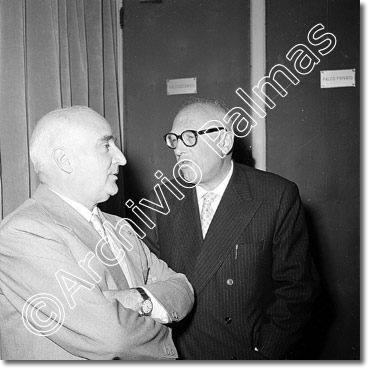 Angelo Rizzoli (left) -
Rizzoli Publications (http://www.fotopalmas.com/Nenni_Pietro/RM23483.jpg)
Angelo Rizzoli (left) -
Rizzoli Publications (http://www.fotopalmas.com/Nenni_Pietro/RM23483.jpg)
Rohm & Haas -
100th
Anniversary:
September 1, 1909
- Otto Haas established U.S. branch office in Philadelphia
to sell Oropon, leather bate to
tanners (had established partnership with
Chemist Otto Röhm in 1907 in Esslingen, Germany);
1915 - Rohm
received German patent for polyacrylic ester as paint binder;
April 24, 1917 - Rohm and Haas incorporated; sales
about $1 million; 1924 - Haas, Karl Albert Company
established Resin Products Company to market synthetic resins
for fast-drying varnishes; introduced Lethane, synthetic organic
insecticide, first product developed in its own laboratories;
1935 - acrylic chemistry - developed
small-molecule chemistries, acrylic products; introduced cast
polymethyl methacrylate, plexiglas (optical clarity, light
weight, shatter resistant, ability to withstand heat);
1940-1949 - sales multiplied nine times; 1953
- introduced acrylic emulsions for use as paint binders; birth
of latex paints, waterborne textiles, non-woven finishes;
March 27, 1956 - registered "Plexiglas" trademark first
used June 5, 1935 (plastic sheets, both colored and uncolored,
fir interior and exterior constructional purposes); 1960
- Fritz Otto (son) became CEO; 1962 - introduced
zinc, magnesium agricultural fungicide; 1970 -
Haas family direct control ended (otto's retirement); 1982
- entered electronic chemicals market, acquired 30% interest in
Shipley Company (photoresists used in etching chips,
microcircuits; acquired full control in 1992); 1990s
- sold
polymethyl
methacrylate franchise (commodity, non-specialty chemical); 1997
- acquired minority interest in Rodell Inc. (chemical slurries,
polishing pads); 1999 - acquired LeaRonal Inc.
(specialty chemical additives in electronic, metal finishing);
merged with Morton International; world's largest
specialty-chemical company ($6.5 billion in sales, leader in
adhesives, specialty coatings, electronic materials, salt); 2006
- annual sales of $8.2 billion;
July 10, 2008 - agreed to be
acquired by Dow Chemical,
largest
U.S. chemicals company (sales of $54 billion) for $18.8 billion
in deal part funded by Warren Buffett, Kuwait sovereign wealth
fund (at 74% premium to Rohm and Haas’s closing share price on
July 9).
 Dr. Otto Rohm
(http://www.plastiquarian.com/ images/people/rohm.jpg)
Dr. Otto Rohm
(http://www.plastiquarian.com/ images/people/rohm.jpg)
 Otto Haas
(http://www.chemistry.msu.edu/
Portraits/images/haas2c.jpg)
Otto Haas
(http://www.chemistry.msu.edu/
Portraits/images/haas2c.jpg)
Smith Dairy Products Company
-
100th
Anniversary:
January 1, 1909
- John J. and Peter Schmid (brothers) used $500 they had saved,
$300 they borrowed from neighbor, bought two horses, two wagons,
some milk bottles, cans, dippers, hand-cranked freezer to begin
daily deliveries to Orrville, OH homes; customers called them
"Smith" brothers, easier to pronounce than Schmid; established Smith Dairy
Products Company; June 24, 1997
- Smith Dairy Products Company registered "Smith's The Dairy in
the Country" trademark; 2009
- still family owned; Steve and John Schmid (grandsons) as
president, vice president, respectively; manufactures full line
of quality dairy, beverage, ice cream, foodservice products.
 John, Peter Schmid
- Smith Dairy Products Company
(http://www.smithdairy.com/images/earlyyears-2.gif) John, Peter Schmid
- Smith Dairy Products Company
(http://www.smithdairy.com/images/earlyyears-2.gif)
Snyder's of Hanover
-
100th
Anniversary: 1909
- Harry V. Warehime,
founder of Hanover Canning Company, began producing Olde
Tyme Pretzels for Hanover Pretzel Company;
1924
- William and Helen Snyder opened first pretzel bakery
with sons Edward and Bill;
1963 - Hanover Brands acquired Snyder's
family distribution company, recipe for Sourdough Hard
Pretzels from Pretzel Baker Bill Bechtel;
1977 -
company focused on pretzels and potato chips as core
products; 1981
- Snyder's became independent of Hanover Foods
Corporation.
Special Libraries Association
-
100th
Anniversary: July 2,
1909 - Group of librarians who thought that
libraries serving business, government, social agencies, parts
of academic community were different from other libraries
formally organized Special Libraries Association (SLA), complete
with Constitution; laid foundation for present structure of
Divisions representing different subject fields or special types
of organizations; committees established to consider problems of
agricultural libraries, commercial associations, insurance
libraries, legislative and municipal reference libraries,
membership libraries, public utility libraries, sociological and
technical libraries; John Cotton Dana was first president;
November 5, 1909 -
first conference of new association held in New York City
(approximately 40 members participating);
April 1910 - Special Libraries magazine
(monthly) contained first directory of special libraries (23
subject fields); 1916
- editor Dr. John A. Lapp defined "the basic purpose of the
special library, namely to put knowledge to work";
2008 - principal
association for information professionals, their strategic
partners throughout world (11,000 members from 75 nations).
 John Cotton Dana - first president, Special Libraries
Association
(http://www.libraries.rutgers.edu/rul/libs/dana_lib/smdana.gif)
John Cotton Dana - first president, Special Libraries
Association
(http://www.libraries.rutgers.edu/rul/libs/dana_lib/smdana.gif)
Suzuki -
100th
Anniversary: 1909
- Michio Suzuki founded Suzuki Loom Works in Hamamatsu,
Shizuoka Prefecture Japan;
1920 - reorganized as Suzuki Loom
Manufacturing Co. to produce textile looms;
1952 -
created motorized bicycle, Power Free, featured 36cc,
two-stroke engine; 1954
- name changed to Suzuki Motor Corporation;
1955 -
introduced first mass-produced car, Suzulight;
March 23,
1971 - Suzuki Motor Co., Ltd. registered
"Suzuki" trademark in U. S. first used October 15, 1963
(motorcycles); 1981
- General Motors acquired 5% of Suzuki shares; 1985 -
American Suzuki Corp. introduced Samurai in U.S.;
1998 - GM
increased ownership to 10%;
2001 - GM's ownership rose to
20.4%; 2004 - General Motors and Suzuki Motor Corp.
acquired bankrupt Daewoo;
March 2006 - GM divested, sold 92.36
million shares, reduced stake to 3%, raised $2 billion.
Suzuki still owns 11% of GM Daewoo Auto and Technology.
 Michio Suzuki -
Suzuki Motor Corp. (http://www.motorhelmets.net/pics-index/michio-suzuki.jpg)
Michio Suzuki -
Suzuki Motor Corp. (http://www.motorhelmets.net/pics-index/michio-suzuki.jpg)
Tamales
Bay Oyster Company -
100th
Anniversary:
1909 - M. B.
Moraghan obtained permit for harvesting oysters from Tomales Bay
(entered trade in oysters from Shoalwater Bay, Washington in
1868, introduced Pacific oysters to San Francisco in 1896;
planted oyster beds in Tamales Bay and founded Tomales Bay
Oyster Company in 1906); 1936
- last commercial oysters harvested from San Francisco Bay;
Company acquired by Gretchen and Drew Alden,
partners; 2009 -
acquired by Tod Friend, owner of Marshall (CA) Store since 2006;
California’s oldest continuously run shellfish farm;
oysters, mussels, clams - $2.6 million business in Marin
County (4% of county's $67 million agricultural yield,
according to Marin
County Department of Agriculture).
Universal Pictures -
100th
Anniversary:
April 12, 1909 - Carl Laemmle
established Independent Motion Picture Company (IMP);
defied Motion Picture Patent Company; fought more than
280 lawsuits from Patent Company;
June 8, 1912 - Laemmle
(Independent Motion Picture Company), Pat Powers (Powers
Picture Company), Mark Dintenfass (Champion Films), Bill
Swanson (American Éclair) merged studios, formed
Universal Motion Picture Manufacturing Company;
1925 - name
changed to Universal Pictures Company, Inc.
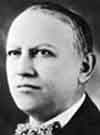 Carl Laemmle -founder
Universal (http://www.filmsite.org/
history/laemmle.jpg)
Carl Laemmle -founder
Universal (http://www.filmsite.org/
history/laemmle.jpg)
Williams' Book Store -
100th
Anniversary: 1909
- E.T. Williams, fresh off boat from Wales, opened Williams’
Book Store in San Pedro, CA; 1940
- Ethel Williams-Smith (daughter) took over; B. Dalton, Crown
Books, Borders Books, Bookstar opened in more affluent Palos
Verdes peninsula; 1980
- store turned over to Anne Gusha (customer since 1928, as
child); 1990s -
downtown San Pedro began to revive (artists flocked to area, new
restaurants opened); walk-in traffic increased; book signings on
first Thursday of each month launched (art galleries had open
houses); chain stores moved out (B. Dalton closed San
Pedro/Palos Verdes store; 1999
- Crown Books filed for bankruptcy; Bookstar decided not to
renew lease; Williams only first-run bookstore in area;
2000 - revenues of
$170,000 (projected $240,000 in 2002); outlasted two world wars,
recessions, determined runs by three big-chain competitors;
oldest, independent, continuously operating seller of new books
in Los Angeles.
Friendly's Ice Cream -
75th
Anniversary:
1935 -
Prestley Blake (20) and Curtis Blake (18)
co-founded Friendly Ice Cream shop in Springfield, MA with
$547 borrowed from their parents; double dip cones for $0.05;
1989 - name changed
to Friendly's
 Curtis and Prestley Blake -
Friendly's
(http://www.boston.com/business/ticker/PrestleyBlake.jpg)
Curtis and Prestley Blake -
Friendly's
(http://www.boston.com/business/ticker/PrestleyBlake.jpg)
Central Soya -
75th
Anniversary:
October 2,
1934 - Dale W. McMillen incorporated
Central Soya Company in Decatur, IN (livestock feeds and
soybeans); June 1985
- acquired by Shamrock Holdings Inc. (privately owned by
Roy E. Disney family);
October 1987 - acquired by Ferruzzi
Finanziaria SpA in Ravenna, Italy;
October 2002 - acquired by Bunge
Limited.
Donald Duck -
75th
Anniversary:
June 9, 1934 - Donald Duck made first
film appearance in "The Wise Little Hen", short by Walt
Disney;
September 16th, 1934 - first Donald Duck
comic book (story by Ted Osborne, art by [Charles] Al
Taliaferro).
 Donald Duck
- 1934
((http://static.squidoo.com/resize/squidoo_images/-1/lens2103006_1217735441wise-little-hen-donald-duck.PNG)
Donald Duck
- 1934
((http://static.squidoo.com/resize/squidoo_images/-1/lens2103006_1217735441wise-little-hen-donald-duck.PNG)
General Cinema
-
75th
Anniversary:
1935 - Philip
Smith built first drive-in theater outside Detroit; 1949
- more than 20; 1951 - operated first
shopping-center theatre, Framingham Cinema, in Framingham, MA;
1960 - went public; 1961 - Richard
Smith (36) took control; renamed General Cinema Corporation;
1964 - name changed to General Cinema Corporation;
1967 - owned about 100 shopping-center theaters; 150
theaters in 26 states; 1968 - entered soft-drink business;
became largest independent Pepsi bottler in U. S.; June 2,
1987 - 60% owner of The Neiman Marcus Group, Inc., (spun
off by Carter Hawley Hale in response to second hostile takeover
attempt by The Limited); 1989 - sold Pepsi
bottling operations; November 1991 - acquired
Harcourt Brace Jovanovich; 1993 - renamed Harcourt General,
Inc.; 1999 - spun off remaining stake in Neiman
Marcus Group to shareholders; October 2000 - GC
Cos. Inc., parent of General Cinema, filed for bankruptcy
protection (overbuilding of of multi-screen "megaplex" cinemas,
weak movie releases).
Porky Pig
-
75th
Anniversary:
March 2, 1935
- Porky Pig, designed by animator Bob Clampett, debuted in short
"I Haven't Got a Hat"; name came from two brothers who were
childhood classmates of director Fritz Freleng (nicknamed
"Porky" and "Piggy); originally played by Joe Dougherty
(actually had stuttering problem); 1937 - Mel
Blanc won audition for character.
Ritz Crackers/strong> -
75th
Anniversary:
1935
- Nabisco launched Ritz Crackers in US;
January 5, 1937
- National Biscuit Company registered "Ritz" cracker trademark:
first used November 1, 1934 (bakery products-namely biscuit).
TTrader Vics -
75th
Anniversary:
1934
- Victor Jules Bergeron, Jr., son of waiter at San Francisco's
Fairmont Hotel and owner of grocery store on San Pablo Avenue in
Oakland, CA, used nest egg of $700, carpentry help from his
wife's brothers, his mother's pot-bellied stove and oven, built
small pub across street from store, named Hinky Dink's; served
potent tropical cocktail concoctions, delicious Americanized
adaptations of Polynesian food; became one of most popular
watering holes in Northern California's Bay Area;
1936 - Herb Caen,
columnist for San Francisco Chronicle, wrote "best restaurant in
San Francisco is in Oakland"; Vic had become "The Trader", Hinky
Dink's became "Trader Vic's", complete with showpiece Chinese
oven; January 7, 1941/strong>
- Esther O. Bergeron registered
"Trader Vic's" trademark first used March 1, 1938 (rums);
1944 -
created original Mai Tai, refreshing rum cocktail;
1951 - Trader Vic's
San Francisco opened; eventually opened 25 Polynesian-style
restaurants around world; Lynn Bergeron (son) took over
restaurant operation, remains Chairman Emeritus of Trader Vic's
Restaurant Company.
 Victor J. "Trader Vic" Bergeron
- Trader Vic's
(http://www.tradervics.com/images/rest-trader.jpg)
Victor J. "Trader Vic" Bergeron
- Trader Vic's
(http://www.tradervics.com/images/rest-trader.jpg)
Vermont Ski Lift Technology
-
75th
Anniversary:
sampling of the very first of several types of
ski lifts used in Vermont from 1934 to the present (believed to
the one of the actual lifts from the ski area in which it was
first installed in the State)
http://www.vermontskimuseum.org/exhibits.htm
Wizard of Oz -
75th
Anniversary:
January 26, 1934 -
Samuel Goldwyn bought film rights to The Wonderful Wizard of Oz
by L. Frank Baum; 1939
- released 101 minute film; 1956
- estimated 45 million people tuned in to watch movie debut on
television; 1998 -
ranked sixth in American Film Institute's poll of America's 100
Greatest Movies.
Center for Research in Securities Prices -
50th
Anniversary:
1960
-
James Lorie, Lawrence Fischer (University of Chicago
Graduate School of Business), with a grant of $ 300,000
from Merrill Lynch, established Center for Research in
Securities Prices (CRSP) at University of Chicago
(Fischer originated structure of CRSP Master File;
1964 -
completed stock market database (estimated to contain
between 2-3 million pieces of information); allowed
average rate of return on common stocks to be measured
for first time (9% on NYSE-listed stocks); enabled
rigorous empirical analysis of stock prices, investment
theories; allowed maintenance of accurate securities
information over time;
1984 - added data from NASDAQ markets
(from December 1972); mid
1990s - created only complete database
available containing active, inactive mutual funds;
2005 -
released CRSP/Ziman Real Estate Data Series (with Ziman
Center at the Anderson School of Business of UCLA);
2006 -
released Pre62 database (contained daily data from 1926
- 1962 vs. only monthly data previously available).
Domino's Pizza/strong>
-
50th
Anniversary:
1960 -
Tom
Monaghan and his brother James borrowed
$500 to buy "DomiNick's," a pizza store in Ypsilanti, MI;
1961 - James trades his half of the business to
Tom for a Volkswagen Beetle; 1965 - Tom Monaghan
is sole owner of company, renamed business "Domino's Pizza,
Inc." 1967 - first Domino's Pizza franchise store
opened in Ypsilanti, MI; 1968 - first Domino's
store outside of Michigan opened in Burlington, VT; 1978
- 200th Domino's store opened;
August 25, 1981 - Domino's Pizza, Inc.
registered "Domino's Pizza" trademark first used February 1965
(Rendering Technical Assistance in the Establishment and
Operation of Stores Exclusively Engaged in the Baking and
Delivering of Hot Pizza Pies Made to Order for Consumption Off
the Premises); 1983 - 1,000th
Domino's store opened; 1985 - opened 954 units,
for a total of 2,841; Domino's fastest-growing pizza
company in country; 1989 - Domino's opened 5,000th
store; 1990 - Domino's Pizza signed its 1,000th
franchise; 1998 - Monaghan retired,
sold 93% of Company to Bain Capital, Inc.; 1999
- worldwide sales exceed $3.36 billion.
Hardees/span>
-
50th
Anniversary:
September 3, 1960
- Wilbur Hardee founded Hardee's restaurant chain with drive-in
hamburger stand near East Carolina University campus in
Greenville, NC; no tables, no waiters, 15-cent fresh-ground,
lean beef burger made to order on custom-build charcoal broiler;
May 5, 1961 - Jim Gardner, Leonard Rawl to opened
first Hardee's franchise restaurant in Rocky Mount, NC;
November 20, 1962 - Hardee's Food Systems, Inc.
registered "Hardee's" trademark first used October 21, 1961
(restaurant services); 1963 - went public;
introduced pagoda-style building; Hardee lost 51% controlling
interest in company in card game with Gardener, Rawl; sold
remaining stake for $37,000; March
8, 1966 - Hardee's food Systems, Inc. registered
"Hardee's L'il Chef" trademark first used April 7, 1963
(restaurant services); 1981 - acquired by
Imasco Ltd. (Canadaian conglomerate); became nation’s
fourth-largest burger quick-service restaurant chain; 1997
- acquired by Carl's, Jr. (became CKE Restaurants, Inc.);
2008 - 1,900 Hardee's across Midwest, Southeast, 200
international locations.
 Reuben
Mattus - Haagen Dazs
(http://msnbcmedia.msn.com/j/msnbc/components/photo_storylevel/080623/080623-obit-hardee-vsmall5p.rp98x98.jpg)
Reuben
Mattus - Haagen Dazs
(http://msnbcmedia.msn.com/j/msnbc/components/photo_storylevel/080623/080623-obit-hardee-vsmall5p.rp98x98.jpg)
Fantasticks -
50th
Anniversary:
May 3, 1960 -
Musical comedy, The Fantasticks, opened in off-Broadway
playhouse in New York's Greenwich Village; became
longest-running musical of all time; May 2000 -
15,562 performances, producers' initial $16,500
investment had earned $3 million.
OPEC -
50th
Anniversary:
September 14, 1960
-
Iran, Iraq,
Kuwait, Saudi Arabia, Venezuela formed OPEC
(Organization of Petroleum Exporting Countries), as a permanent,
intergovernmental Organization, at Baghdad Conference on
September 10–14, 1960; later joined by: Qatar (1961); Indonesia
(1962); Socialist Peoples Libyan Arab Jamahiriya (1962); United
Arab Emirates (1967); Algeria (1969); Nigeria (1971); Ecuador
(1973–1992), Gabon (1975–1994); objective: to co-ordinate,
unify petroleum policies among Member Countries, to
secure fair and stable prices for petroleum producers; efficient, economic, regular supply of petroleum to consuming
nations; fair return on capital to those investing in industry.
Mattel
-
50th
Anniversary:
March
9, 1959 - Barbie doll
debuted at New York Toy Fair (3-dimensional doll little girls
could play with; created by Ruth Handler, founder of Mattel,
based on cartoon doll, named Bild Lilli, she saw on trip to
Germany; used her daughter's nickname;
December 1, 1959 - Mattel Incorporated
registered "Barbie" trademark first used May 9, 1958 (doll).
 Barbie - 1959
(http://images.businessweek.com/ss/06/07/barbie/image/2.jpg)
Barbie - 1959
(http://images.businessweek.com/ss/06/07/barbie/image/2.jpg)
Motown Records
-
50th
Anniversary:
January 12, 1959
- Berry Gordy, Jr. borrowed $800 from his family's loan fund,
incorporated Tamla Records; first signed act was The Matadors,
group he had written and produced songs for; changed their name
to The Miracles when signed them; Miracles lead singer Smokey
Robinson became vice president of company (November 4, 1957 -
quit $85/week upholstery trimmer's job at Lincoln-Mercury
assembly line in Detroit to become full-time songwriter; hit pop
charts for first time with Jackie Wilson's "Reet Petite");
January 1960 -
Motown moved headquarters into house in Detroit; "Hitsville
U.S.A." sign hanged outside; basement made into studio;
April 1963 - Mary
Wells's song "You Beat Me to the Punch" first Motown record to
receive Grammy nomination; December
28, 1965 - Motown Record Corporation registered
"Motown" trademark first used April 30, 1960 (phonograph
records); 1966 -
produced 14 songs that reached Top 10;
January 25, 1968 - Marvin Gaye's "Heard
It Through the Grapevine" No. 1 on charts for seven weeks,
longest run of any Motown single to that time; 10 singles in
1968 in Top 10; 1971
- 11 singles reach Top 10; August
1978 - The Commodores's song "Three Times a
Lady" first Motown recording to register No. 1 on pop, R & B,
adult contemporary charts at same time ;
January 1987 - Lionel Ritchie first
Motown artist to record country music hit with "Deep River
Woman"; June 1988 -
acquired by partnership between MCA, Boston Ventures (now
subsidiary of Universal Motown Records Group, itself a
subsidiary of Universal Music Group).
 Berry Gordy - Motown
Records (http://msnbcmedia4.msn.com/j/ap/ny11102232215.vsmall.jpg)
Berry Gordy - Motown
Records (http://msnbcmedia4.msn.com/j/ap/ny11102232215.vsmall.jpg)
National Semiconductor
-
50th
Anniversary:
May 27, 1959 -
Dr. Bernard Rothlein, seven former engineers of Sperry Rand
Corporation founded National Semiconductor in Danbury, CT;
1961 - first profit of $38,222 on $2.97 million in
sales.; 289 employees shipped 85% of all transistors to military
accounts; 1967 - moved to Santa Clara, CA;
1975 - one of first major electronics companies to enter
toy, game market; 1981 - sales totaled $1.1
billion, net earnings of $52.4 million; 1987 -
acquired Fairchild Semiconductor; 1993 - sales
total $2 billion, earnings of $130.3 million; 1997
- acquired Cyrix, manufacturer of microprocessors, for about
$540 million; sold Fairchild; 1999 - sold most of
Cyrix's assets for less than $200 million; 2004
- sales of $1.98 billion, income just shy of $283 million.
 National
Semiconductor - founders
(http://www.national.com/company/pressroom/images/founders.jpg)
National
Semiconductor - founders
(http://www.national.com/company/pressroom/images/founders.jpg)
Ronnie Scott's Jazz Club
-
50th
Anniversary:
October 30, 1959
- Tenor saxophonist Ronnie Scott (born Ronald Schatt), tenor
saxophonist Pete King opened Ronnie Scott's Jazz Club (capacity
90, no liquor license) in basement at 39 Gerrard Street, in
London's Soho, with small loan from Scott's stepfather, to
provide place where British jazz musicians could jam (had helped
to open co-operative Club Eleven in Soho on December 11, 1948,
country's first club devoted solely to modern jazz); opening
night - Scott himself, Tubby Hayes Quartet, Jack Parnell, alto
saxophonist Peter King; quickly developed reputation of bringing
best of British modern jazz musicians to club; persuaded
Musicians’ Union ban on American visiting jazz musicians to lift
blanket ban on American performers in U.K. (dated from 1932,
classical music and vocalists exempt; had isolated UK from New
York’s post-war modern jazz revolution; embargo relaxed, at
concert level, in 1958, provided British musicians played
reciprocal gigs in America); 1961
- Zoot Sims, personal favourite of owner, first major American
artist to play there (British saxophonist Tubby Hayes went to
New York’s Half Note for month’s residency); first time American
jazz musician had officially played in British jazz club for
nearly 30 years; 1965
- moved to current location in Frith Street;
June 2005 -
acquired by theatre impresario Sally Greene (Old Vic
management); London's foremost jazz venue (same level as New
York’s legendary Village Vanguard).
 Ronnie Scott -
Ronnie Scott's Jazz Club
Ronnie Scott -
Ronnie Scott's Jazz Club
(http://www.jazzphotography.us/images/musicians/ronnie_scott.JPG)
Sharp Electronics Trademark
-
50th
Anniversary:
October 8, 1959
- Hayakawa
Electric co., Ltd. registered "Sharp' trademark in U.S. first
used January 17, 1931 (electric shavers);
1970 - name changed to Sharp Corporation
(company established September 15,
1912 by Tokuji Hayakawa (19) leased house in
center of Tokyo, set up small metalworking shop with 50 yen, 2
employees; produced snap buckle for Western style pant belts).
 Tokuji Hayakawa
- founder Sharp Electronics
(http://sharp-world.com/corporate/info/his/voice/images/hayakawa.jpg)
Tokuji Hayakawa
- founder Sharp Electronics
(http://sharp-world.com/corporate/info/his/voice/images/hayakawa.jpg)
Sorel -
50th
Anniversary:
1959
- Kaufman Rubber Co. (founded in 1907 by Jacob Ratz
Kaufman in Berlin, ON) introduced Sorel line of winter
sport/work boots, became most successful product;
August 17, 1971 - Kaufman Footwear Limited
registered "Sorel" trademark first used in 1959 (sport boots and
work boots); 1973 -
William H. Kaufman (grandson) became Chairman; name changed to
Kaufman Footwear Inc.; 1979
- Kaufman Footwear became Kaufman Footwear, division of William
H. Kaufman Inc.; 1997
- Tom Kaufman (great grandson) named president;
2000 - Kaufman
Footwear declared bankruptcy; Sorel brand acquired by Columbia
Sportswear Company.
Apple Macintosh -
25th
Anniversary:
January 24, 1984
- Apple Inc. introduced the
original Macintosh at Flint Center at De Anza College in
Cupertino, CA (on heels of January 22, 1984 Super Bowl XVIII
commercial, by film director Ridley Scott, that featured a lone
runner defeating Big Brother - IBM); first personal computer to draw masses,
introduce mouse, incorporate graphical user interface,
relying on images instead of text; named by Jef Raskin, Apple
employee who created the project, after his favorite kind of
apple, McIntosh (had to change name for legal rights); came with
128 kilobytes of RAM (later became known as Macintosh 128K),
featured 8 MHz Motorola 68000 microprocessor, 9-inch black and
white CRT screen, 400 kB, single-sided 3.5-inch floppy disk
drive; priced at $2,495 (over $5,000 in today's dollars); made
available to the public two days after a $1.5 million
commercial, made by Ridley Scott, wowed audiences during Super
Bowl XVIII; titled "1984," it invoked author George Orwell's
message and stood as a warning against conformity.
 Apple Macintosh computer
(http://library.stanford.edu/mac/primary/images/gartner/hello.jpg)
Apple Macintosh computer
(http://library.stanford.edu/mac/primary/images/gartner/hello.jpg)
Making the Macintosh:
Technology and Culture in Silicon Valley
http://library.stanford.edu/mac/
"Making the Macintosh" is an online project documenting the
history of the Macintosh computer. It features extensive
original materials from the Stanford University Library's
Department of Special Collections, the personal papers of
engineers and technical writers involved in the Macintosh
project, and interviews with many significant players from the
1960s and '70s conducted for the project. The Macintosh stands
at a cusp in the history of computing and Silicon Valley: it
brought together (and sometimes transformed) a number of
technical and conceptual threads in computing that developed in
the 1960s and 1970s, but it also was responsible for sparking
new movements in computing. This project collects and publishes
primary material on the Macintosh's development and early
reception.
Chevron -
25th
Anniversary:
1984
- Standard
Oil Company of California merged with Gulf Oil; largest corporate merger in U. S. history at time; name changed to Chevron Corp.

|